
How We Bring You the Best Oysters and Clams: A Trip to Cape Charles, Virginia
Posted by The Crab Place on Aug 13th 2026
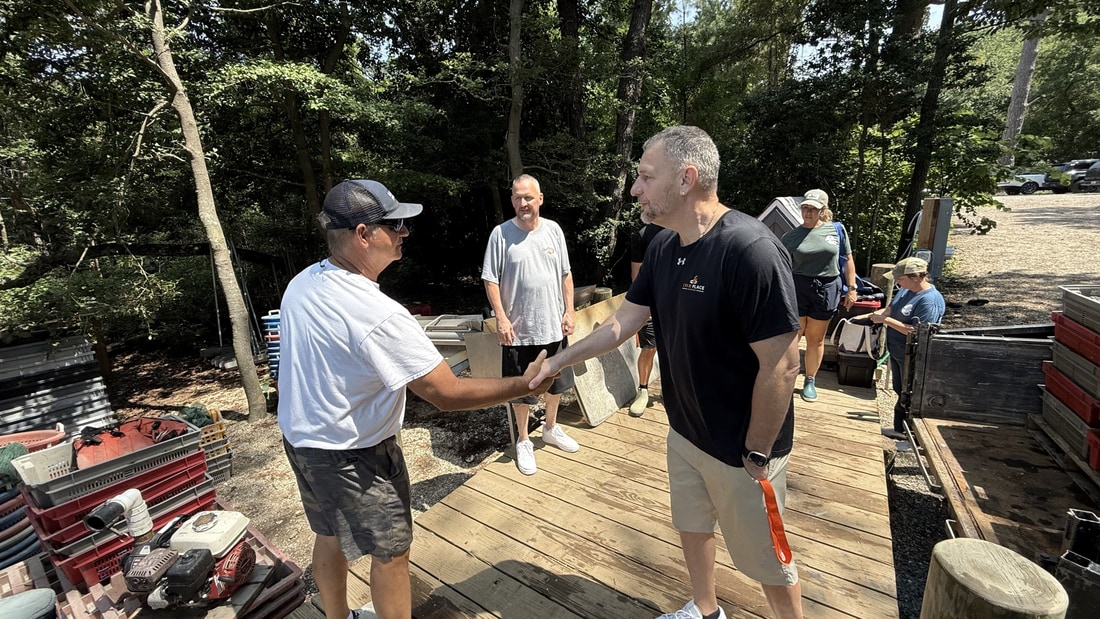
We spent a day in Cape Charles, Virginia, at the farm that grows our oysters and clams. It sits near the bottom of Virginia's Eastern Shore, on the stretch of water where the Chesapeake Bay meets the Atlantic Ocean. We have bought from these folks for years, and we went down for the same reason we go up to Maine. You cannot judge a product line off a price sheet.
We toured the whole operation, from the tanks where these animals start out to the beds where they are pulled up. Then we went out on the boat and harvested some ourselves. It was one of the more fascinating days we have spent in this business, and it changed how we talk about this product. Here is the whole thing, start to finish.
First, let us deal with the words "farm raised"
Farm raised has a bad reputation, and in plenty of cases it has earned it. Picture fish or shrimp crowded into a pond, swimming in their own waste, eating manufactured feed that has nothing to do with their natural diet, bred to put on weight as fast as possible. Nobody wants that on their plate. We would not sell it.
What happens in Cape Charles is a completely different thing.
These oysters and clams grow in the open water of the Bay. Same water, same tides, same food as the wild ones a mile down the shoreline. Nobody feeds them, because nobody has to. Oysters and clams eat by filtering what the water brings them, which is also why they leave the water cleaner than they found it. What the farm does is choose a good spot, protect the animals while they are small and defenseless, and keep track of where they are so they can be picked up when they are ready.
Sustainably raised is the honest description. The animal lives the life it would live anyway. The farm manages the address, not the animal.
It starts smaller than a grain of sand
The tour started at the beginning, indoors. They spawn their own oysters and clams on site. And before they can raise a single one of them, they have to raise its food, so part of the operation is a working algae lab. They grow the algae that feeds these animals through their infant stage, and they manage that food supply as carefully as they manage the shellfish.
When you finally see a seed clam, you will not believe it. They look like coarse wet sand. You can hold thousands of them in one hand, and you have to look close to understand that every grain is a shell with something alive inside it. Some are smaller than a BB.
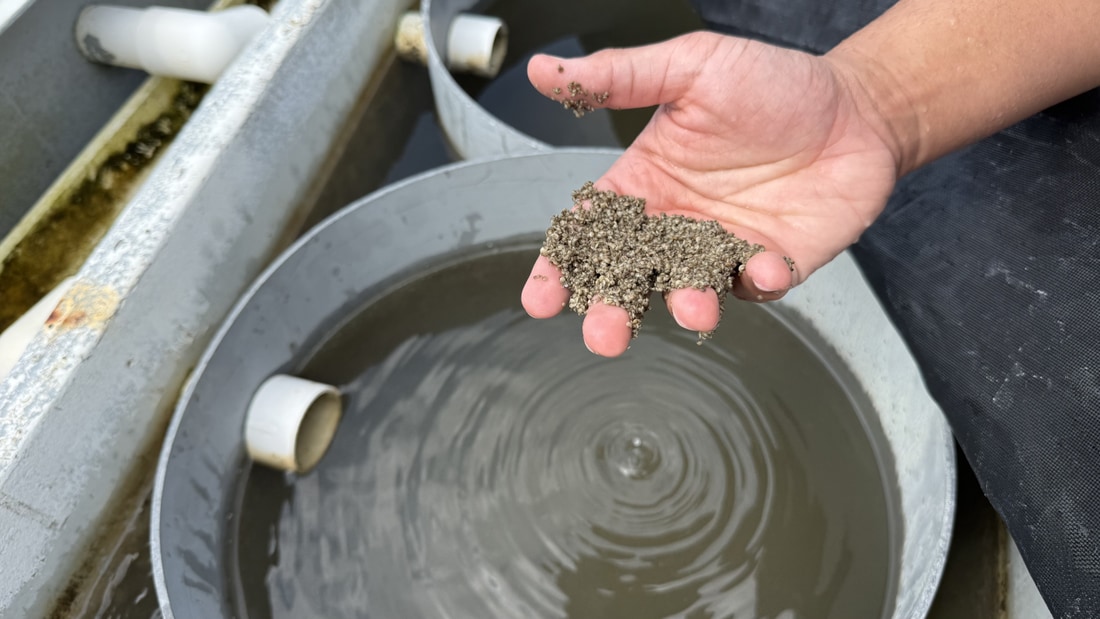
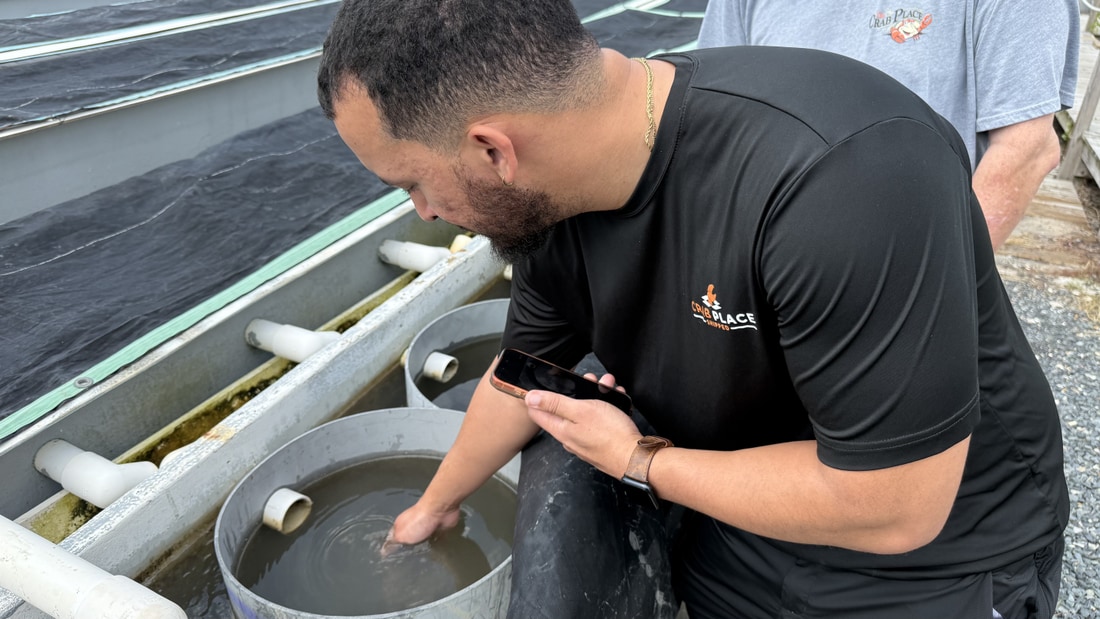
From the lab they move out to the nursery, a bank of shallow tanks with Bay water pushed up through the bottom so the babies sit in a constant current of food. They get sorted by size over and over as they grow, and when they are big enough to defend themselves, they go out into the Bay.
Two and a half years for a middleneck
Here is the part nobody tells you about, and it is the part that stuck with us. A littleneck clam takes about two years to reach size. A topneck, which is the bigger one, takes about three. Our middlenecks land right in the middle at about two and a half. Oysters run about two to three years to reach a good market size.
None of that can be rushed. There is no lever anyone can pull to make a clam grow faster. It grows at the speed the water lets it grow, and the entire job is keeping conditions right and staying out of the way for two to three years. The dozen you order this week went into the water long before you thought about ordering it.
Scientists and engineers run this place
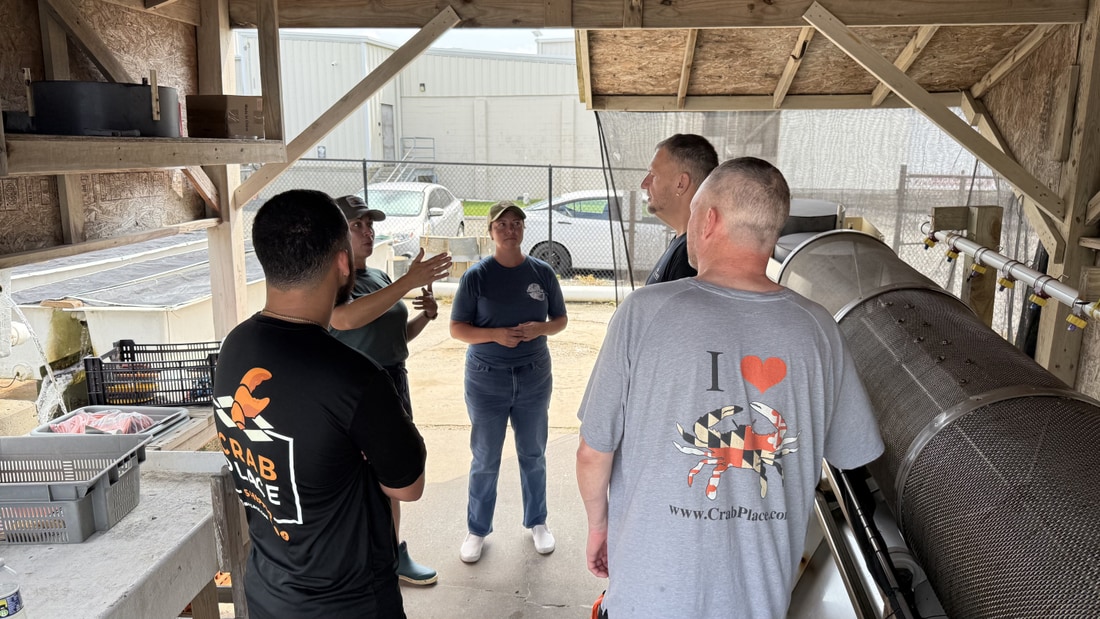
The thing that surprised us most was who works there. We expected lifelong watermen, and there are plenty of those, and they are excellent at what they do. What we did not expect were the scientists and the engineers.
These are seriously smart people, and they have spent years building processes and machinery around one problem: how do you handle millions of living animals gently, grade them accurately, and keep them healthy from the day they spawn to the day they ship. The equipment they have built to do it is genuinely impressive, and a lot of it does not exist anywhere else because they designed it themselves. You can hear the pride in how they talk about it.
Out to the beds
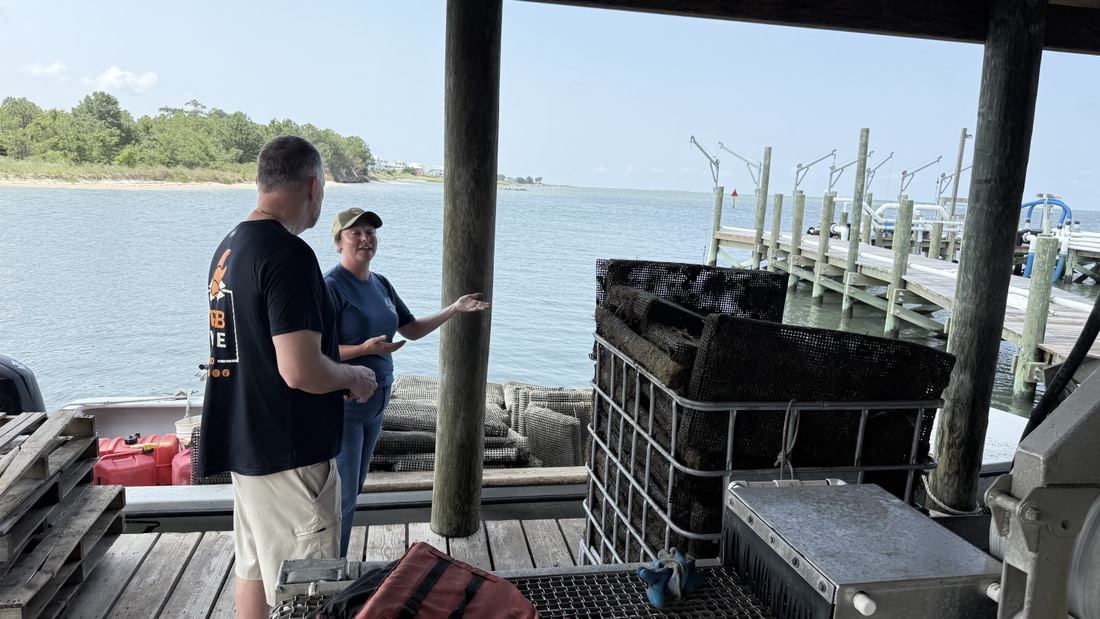
After the warehouse we got on a boat. It is a short ride out to the grounds, which is one of the quiet advantages here. The animals are grown, harvested, graded, and packed within a few minutes of each other.
The beds are covered with netting. It does two jobs at once. It marks the plot so everyone knows what is planted where, and it keeps the predators off, because a bed of clams is an easy meal for a ray or a crab if you let it be one.
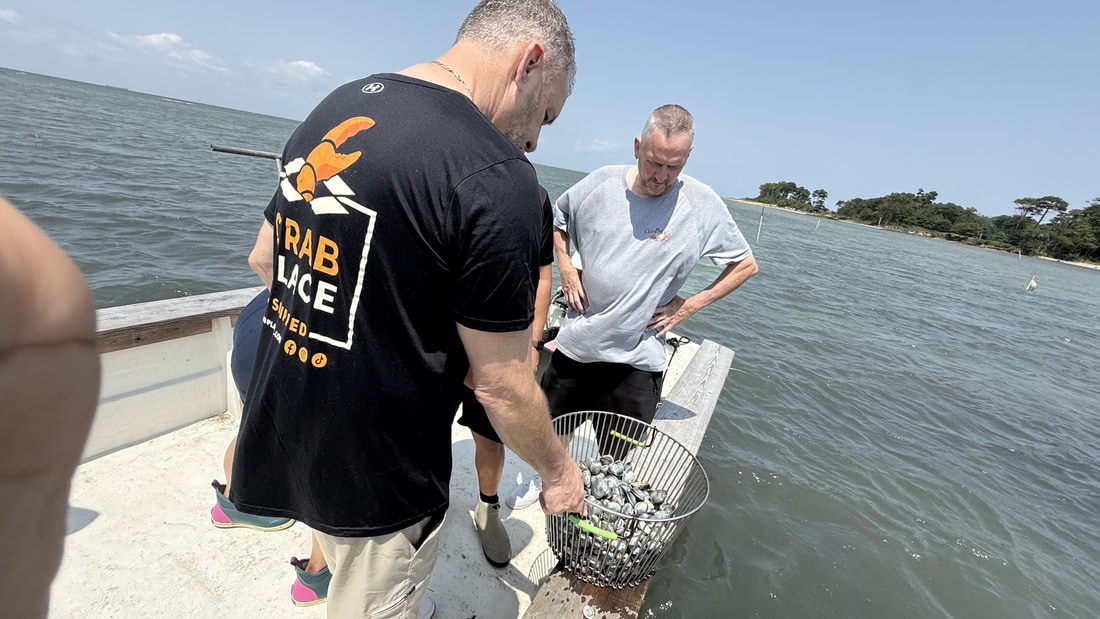
Harvesting is done with powered equipment that lifts the shellfish up off the bottom without tearing up the bottom itself, which matters if you intend to plant the same ground again next season. One of the crew went over the side, and inside of a minute or two he handed up a basket loaded with clams. We got in and worked a basket ourselves. We recommend that to anyone who assumes seafood simply shows up on a truck.
Why we think this beats a wild oyster
We sell wild seafood all day long and we are proud of it. But on oysters and clams specifically, the cultivated product is better, and we would rather explain why than pretend otherwise.
- Consistent size. Wild oysters come however they come. A dozen can range from small to enormous. These are graded, so a dozen looks like a dozen.
- Cleaner shells. Wild oysters sit in mud and collect growth on the outside. These come up clean, which matters when they are going on a tray in front of company.
- Single shells, not doubles. Wild oysters tend to grow into each other and fuse together. Those clusters are heavy, awkward, and genuinely hard to open. Cultivated oysters are grown apart from one another, so you get clean singles.
- Easier to shuck. A well grown single oyster with a proper cup opens the way it is supposed to. Anyone who has fought a doubled up wild oyster with a knife knows exactly what we mean.
- They ship better and they arrive alive. Consistent, clean, healthy shellfish handle the trip to your door far better. That is not a small thing when the product has to arrive alive.
- The flavor is there. They are grown in water chosen because it grows good shellfish, so you get the clean, balanced Chesapeake taste without the mud.
What we are adding soon
Trips like this are also how we plan what comes next, and we came home with a list.
New oyster blends. They grow oysters in several different areas, and each spot has its own salinity and its own surroundings. Same oyster, different address, and the finish on the flavor changes with it. We are going to bring in a few of these as their own offerings so you can taste the difference side by side, the way you would with anything else grown in a specific place.
Topneck clams. The bigger clam, the three year one. We plan to carry these seasonally in limited runs.
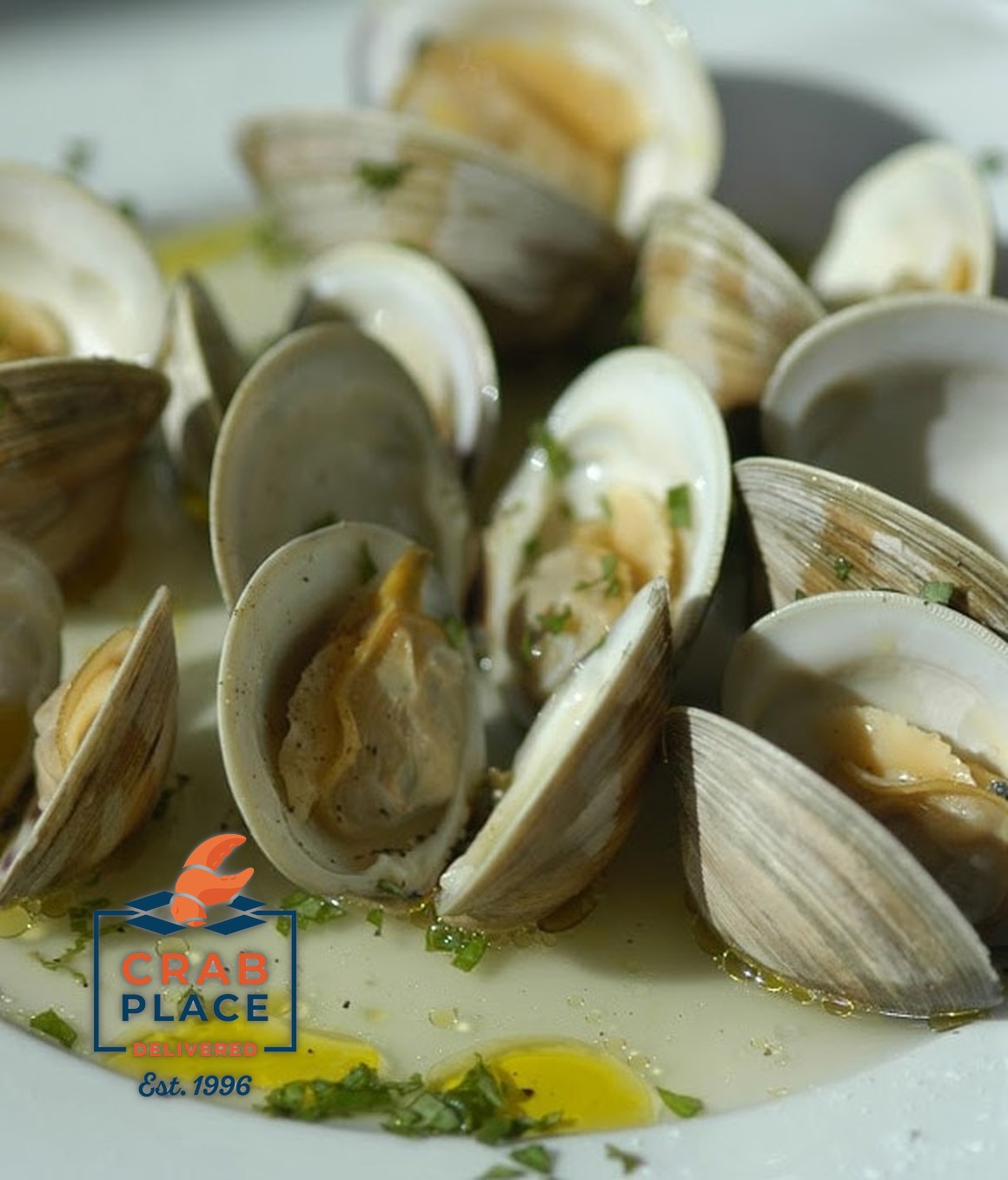
Middlenecks stay the everyday clam. That is our default for a reason. It is the size that balances tender meat against a real bite, and we keep them in stock all the time.
The reason we make these trips
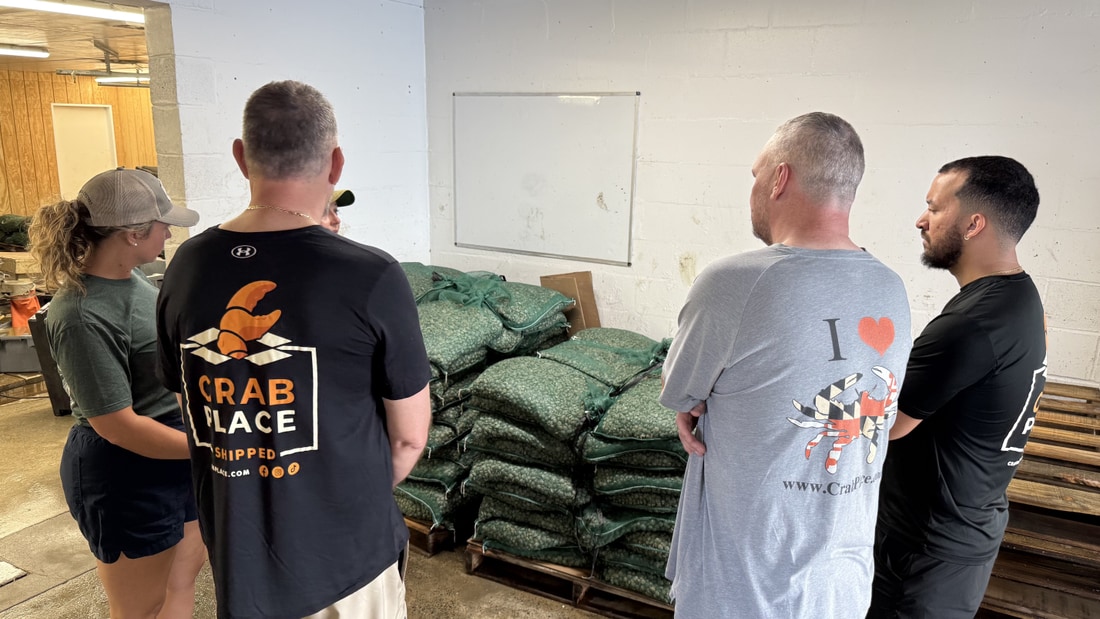
Anybody can print the word premium on a label. We would rather stand in the nursery, look at the seed, ride out to the beds, and pull a basket up ourselves before we put our name on something. We have sold seafood online since 1996, longer than anyone in the business, and the one thing thirty years has taught us is that the product is only as good as the people behind it.
The people behind these oysters and clams are as good as any we work with. That is why this relationship matters to us, and it is why we can stand behind what shows up in your box.
Shop Chesapeake Bay Oysters Shop Chesapeake Bay Clams