Moose Labo: The Crisfield Crabber I Grew Up With
Posted by Greg Cain on Oct 9th 2026
By Greg Cain, CEO of CrabPlace.com, who grew up in Crisfield alongside the waterman in this story.
I have known Moose Labo since we were seven or eight years old. His given name is Philip, and almost nobody in Crisfield uses it. We played sports together from third grade through our senior year, and then he went to work on the water and never left it. This fall I spent two mornings with him, one in his soft crab shanty and one out on the bay, and I want to tell you about him, because people like Moose are the reason a town of this size is called the Crab Capital of the World.
The Best All-Around Athlete We Knew
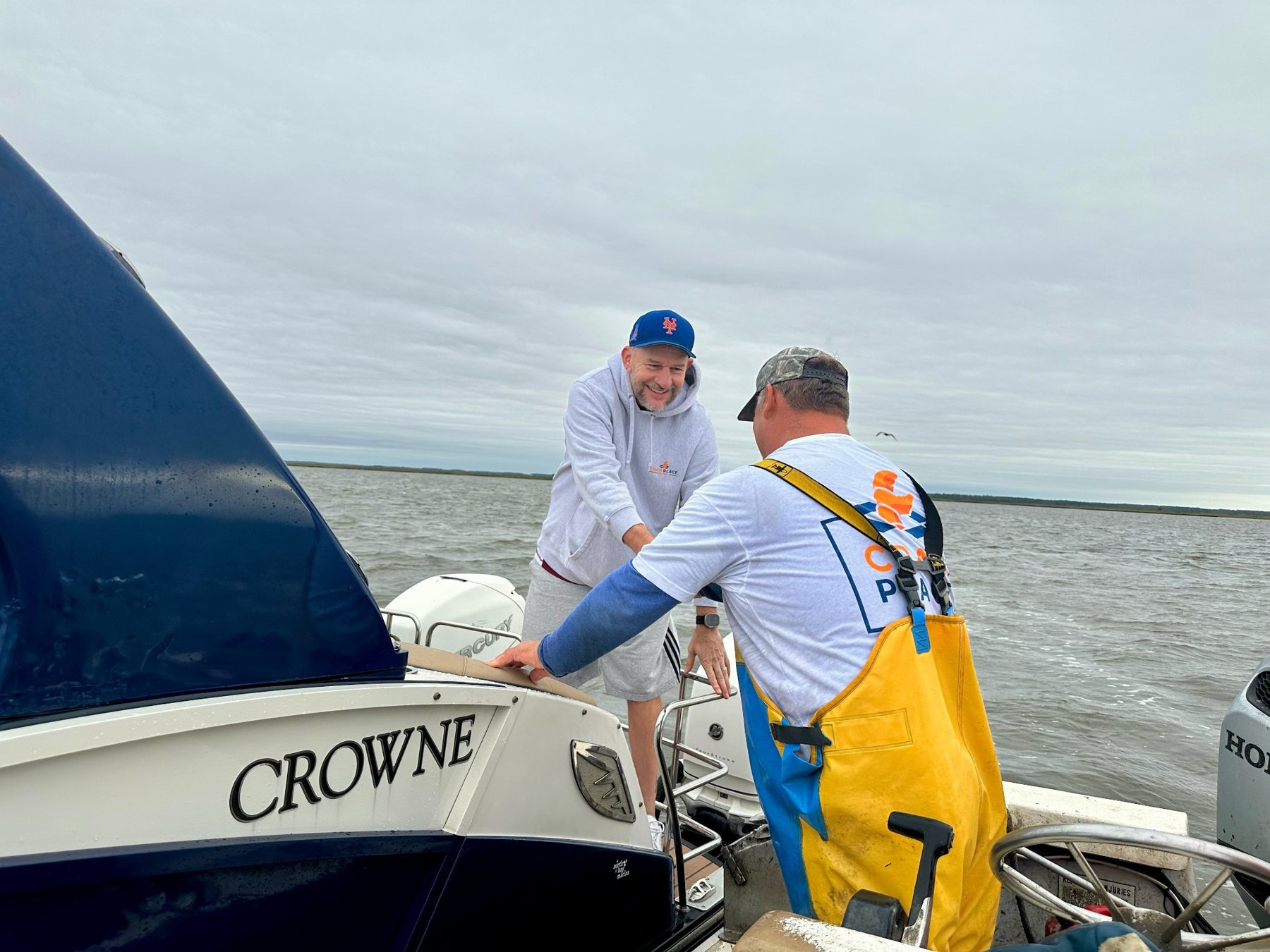
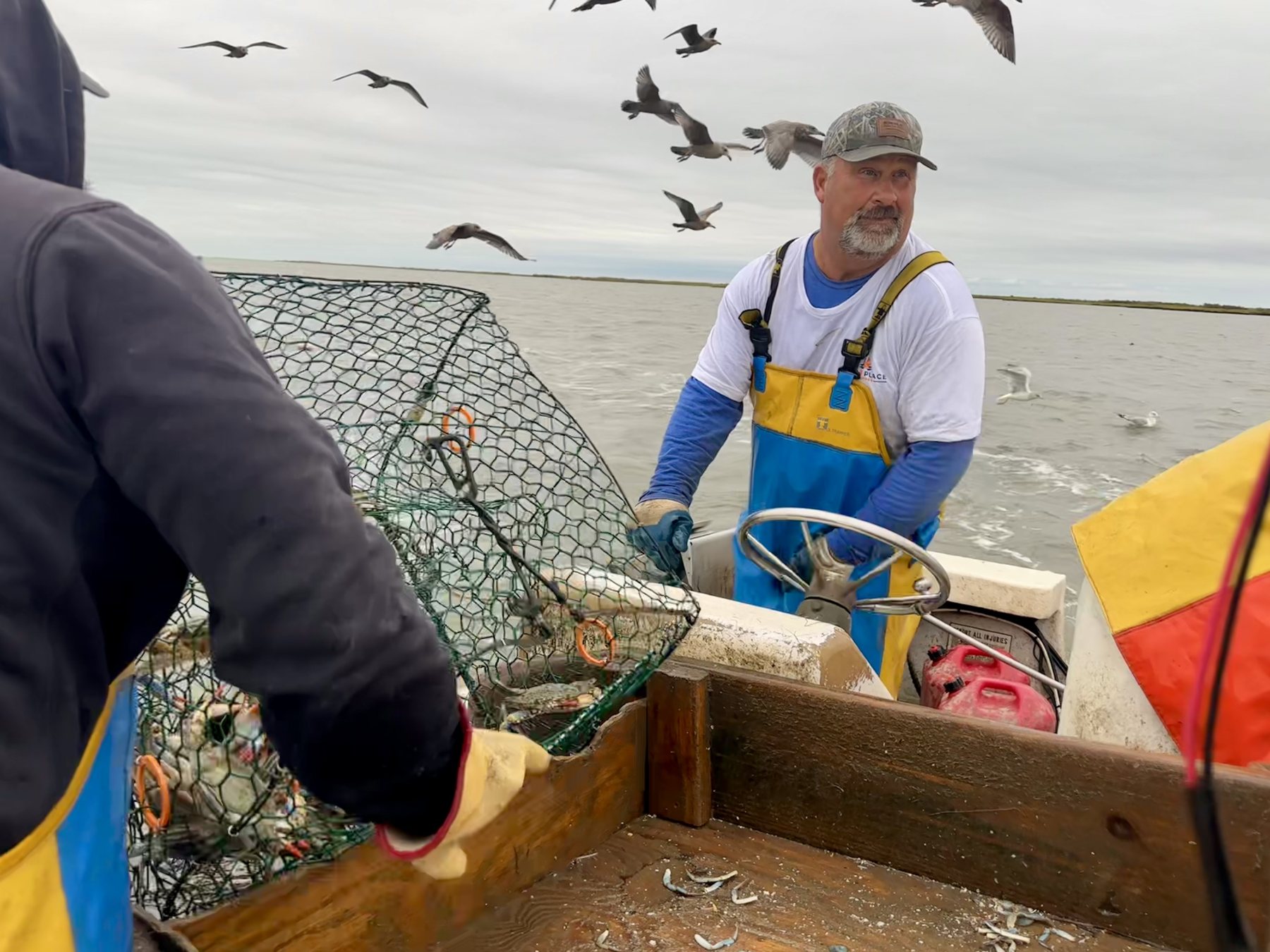
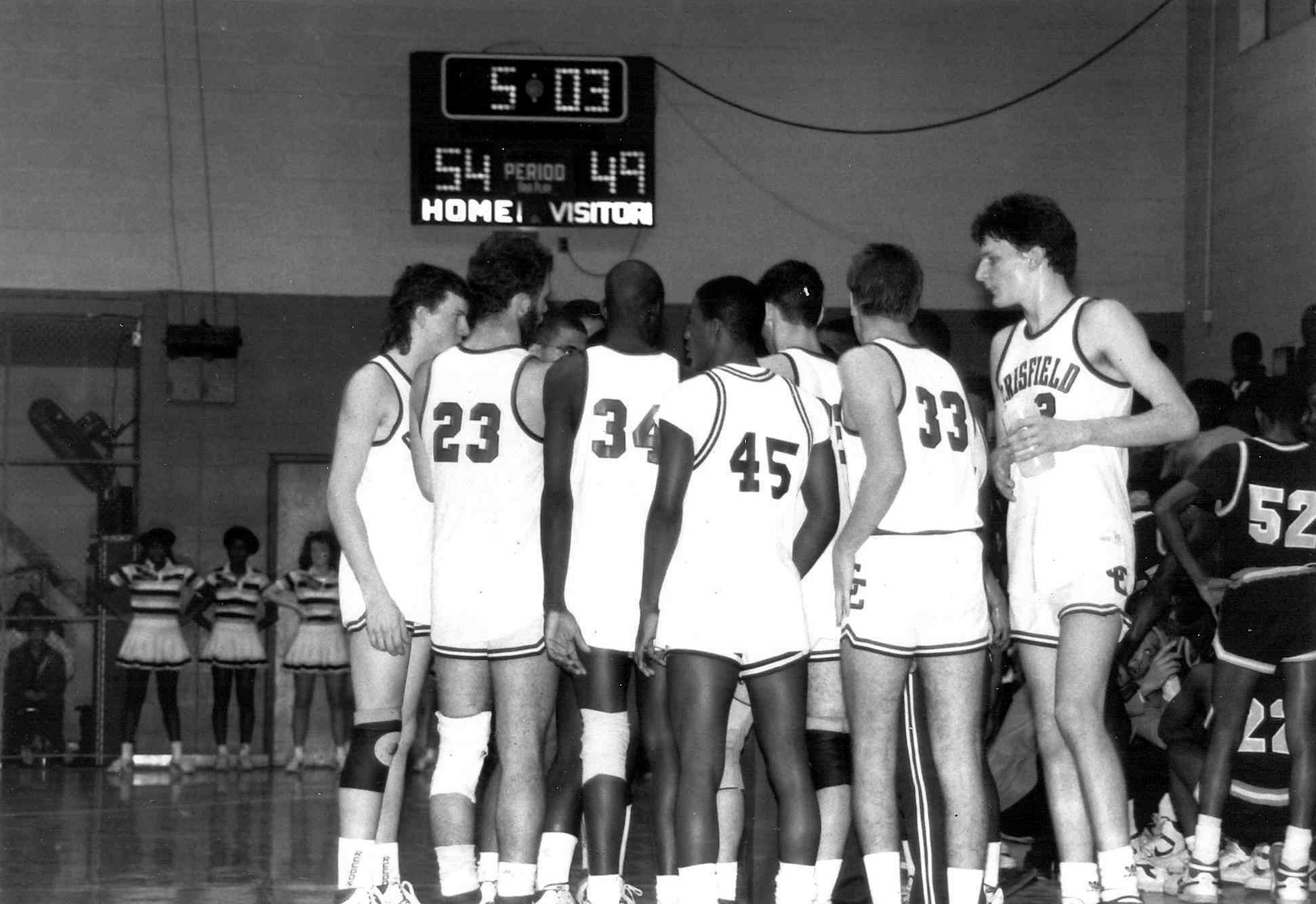
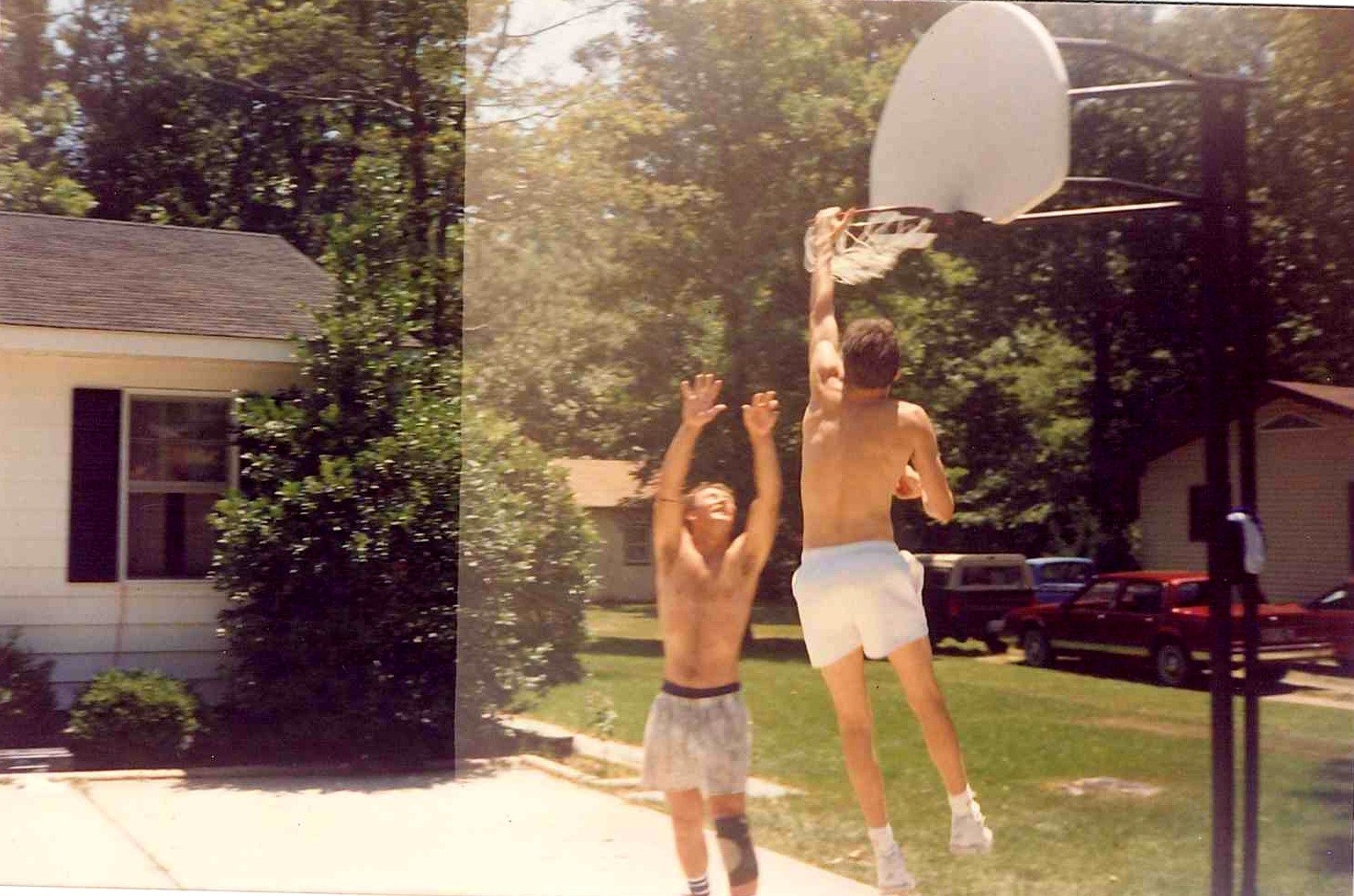
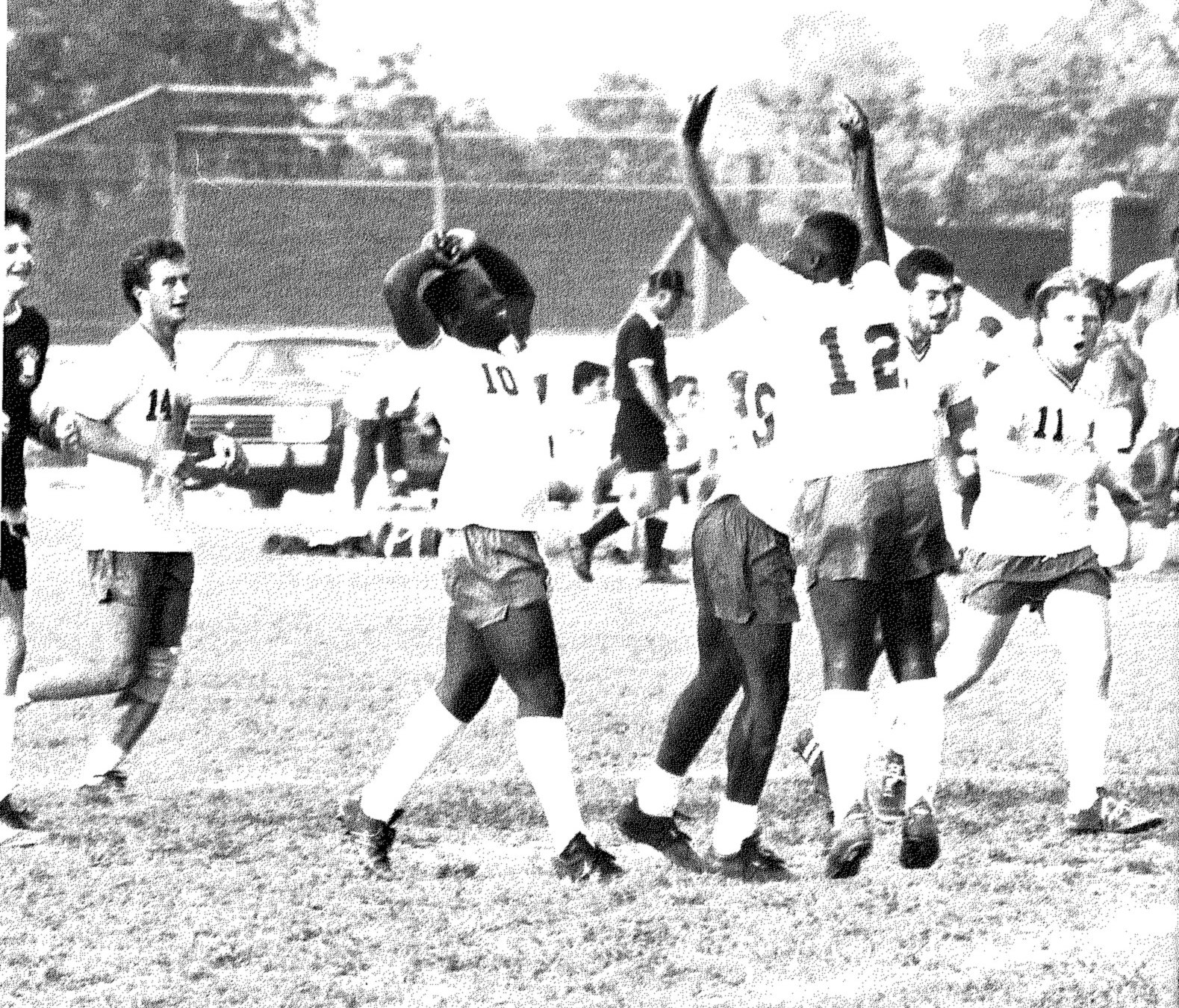
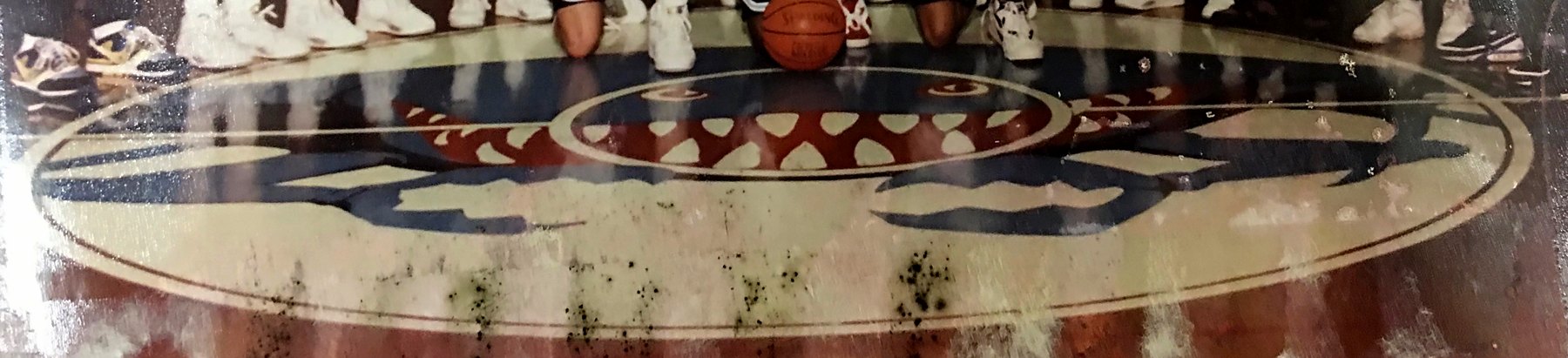
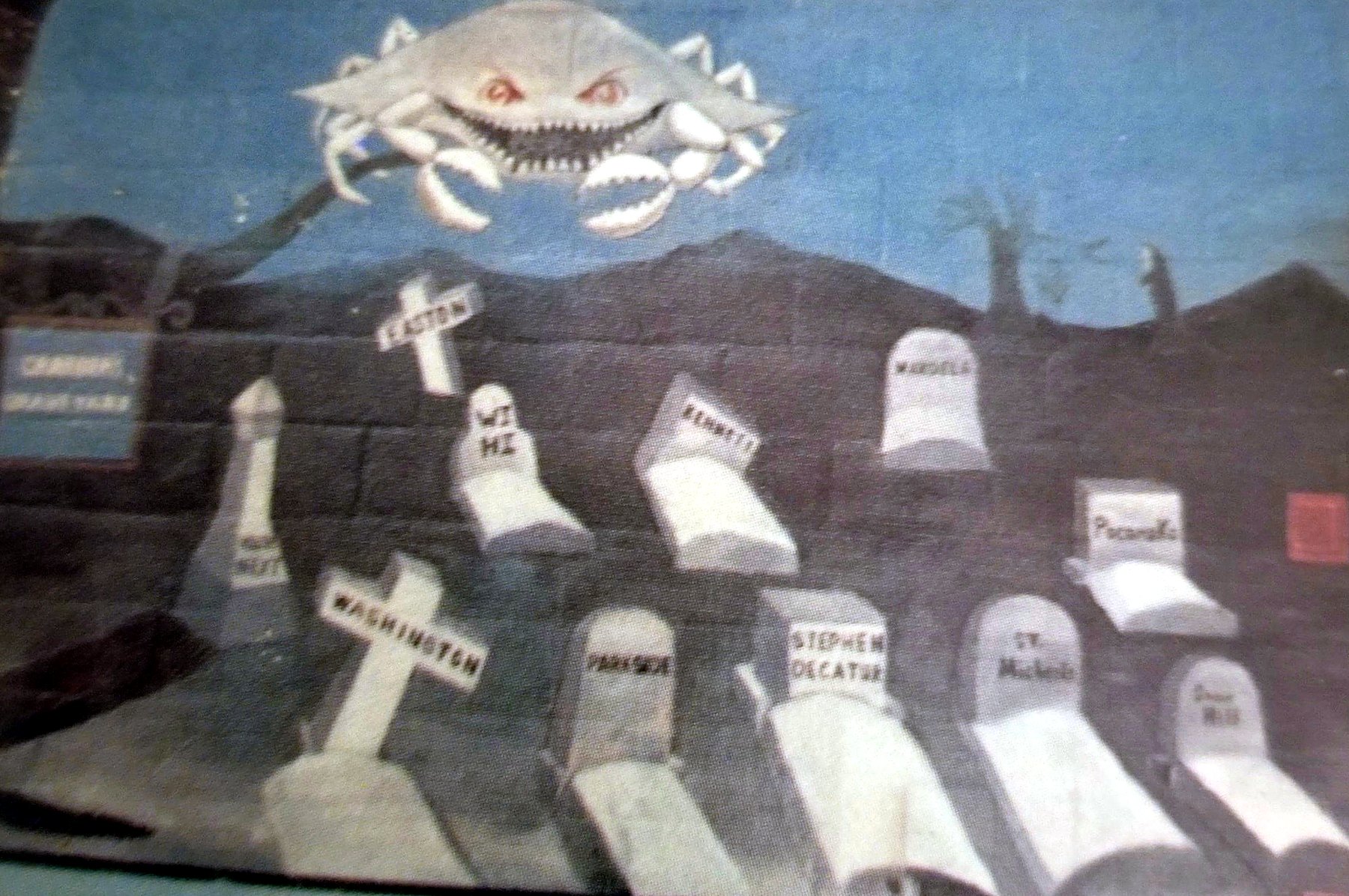
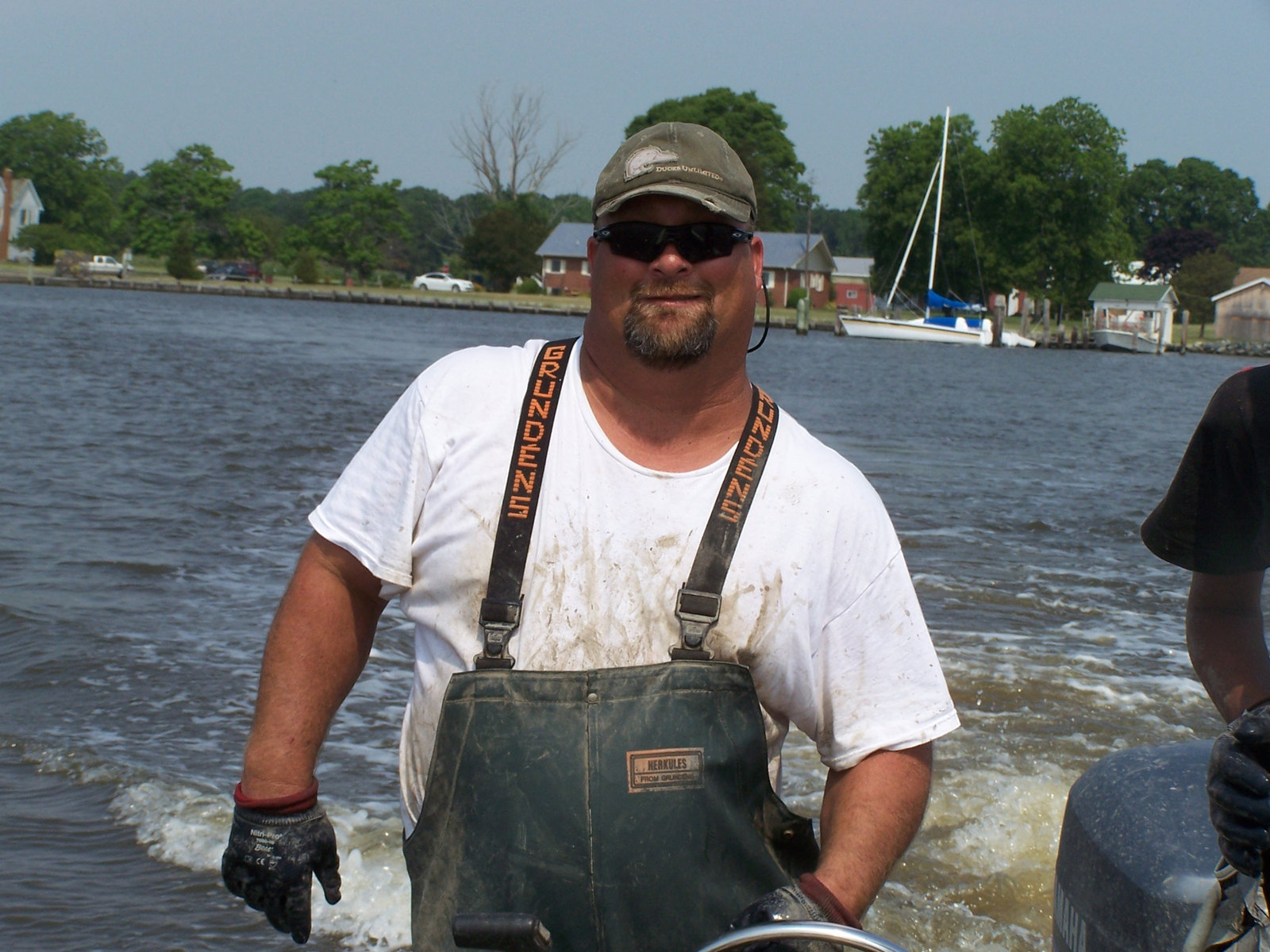
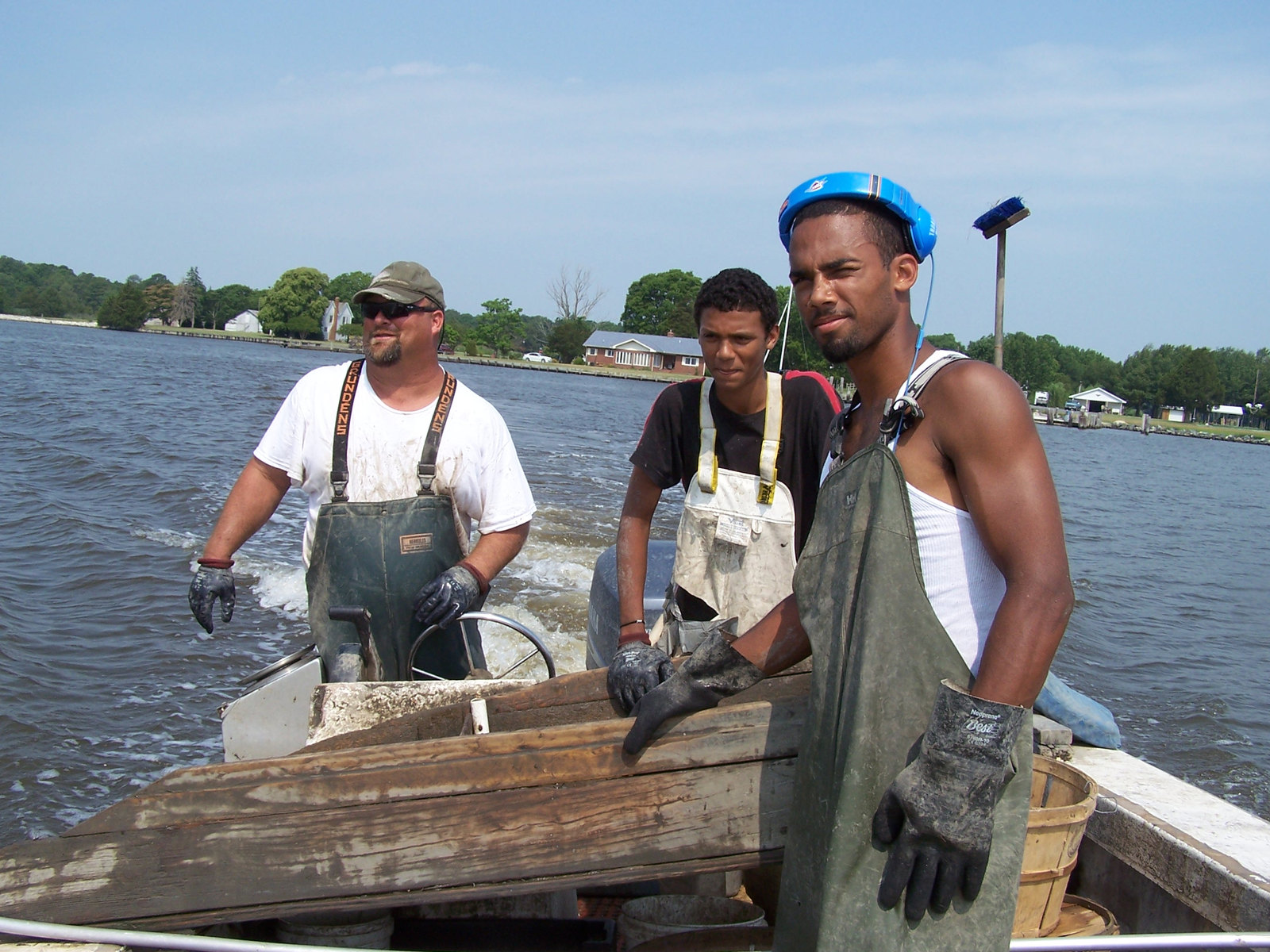
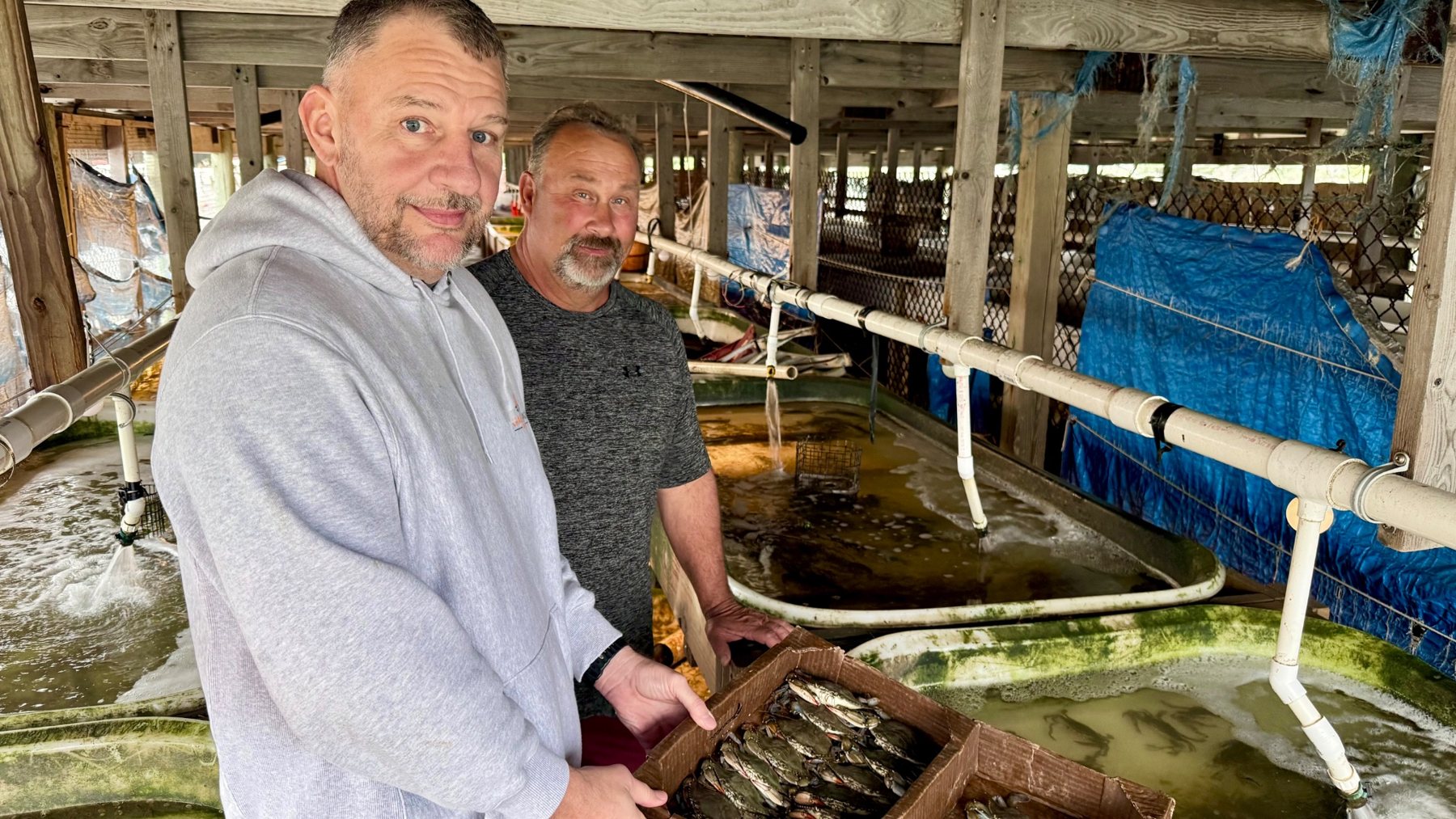
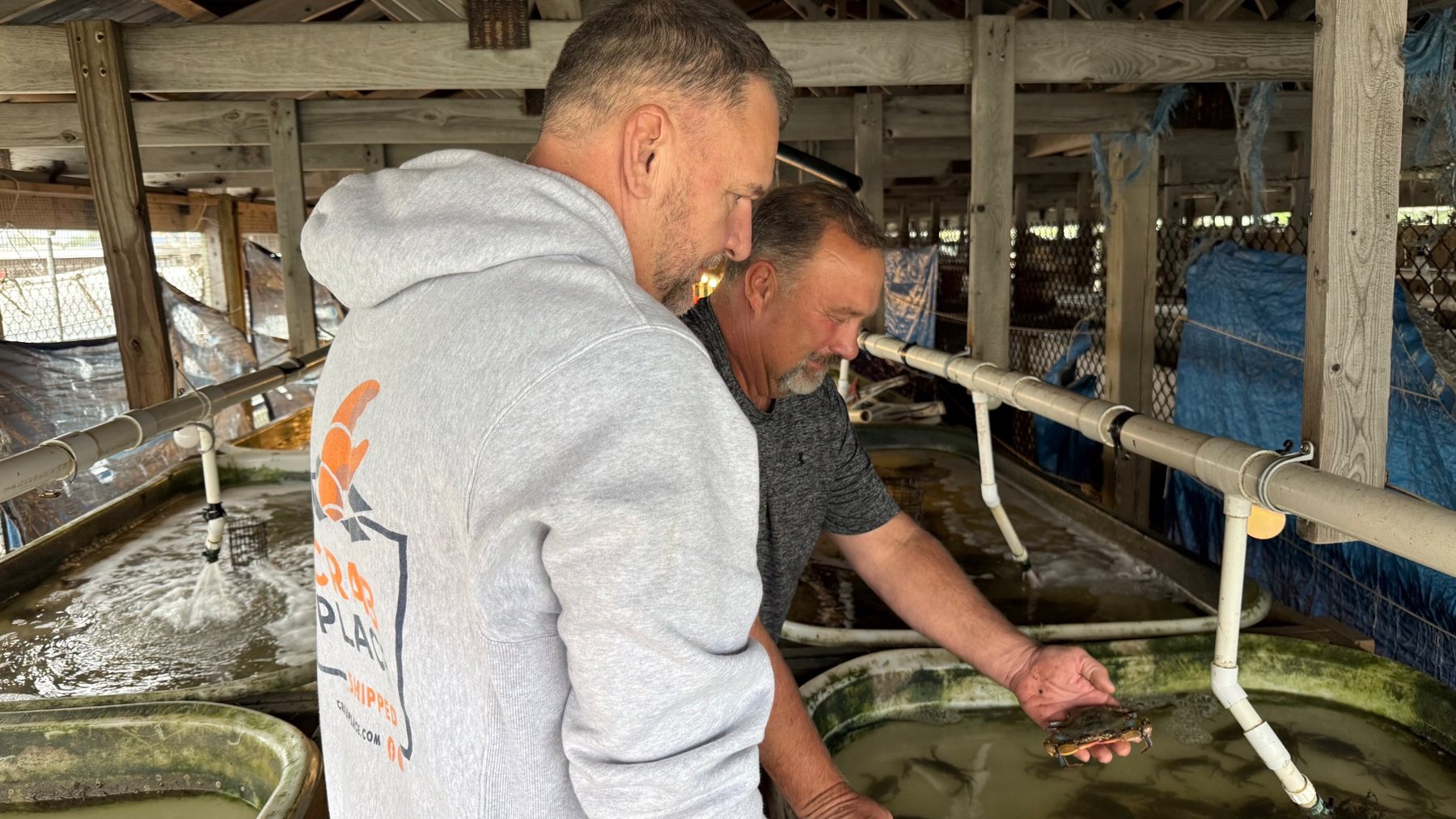
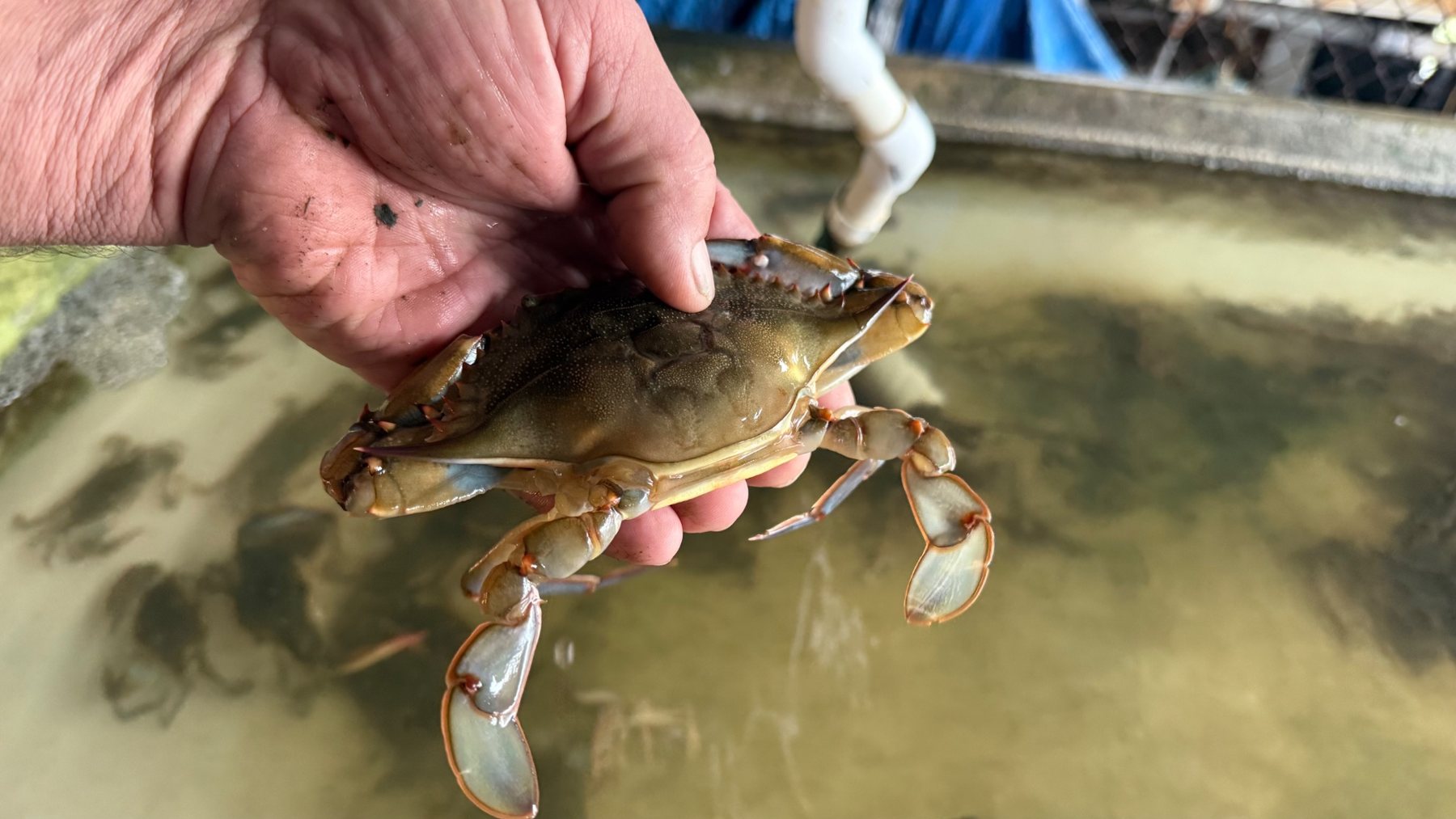
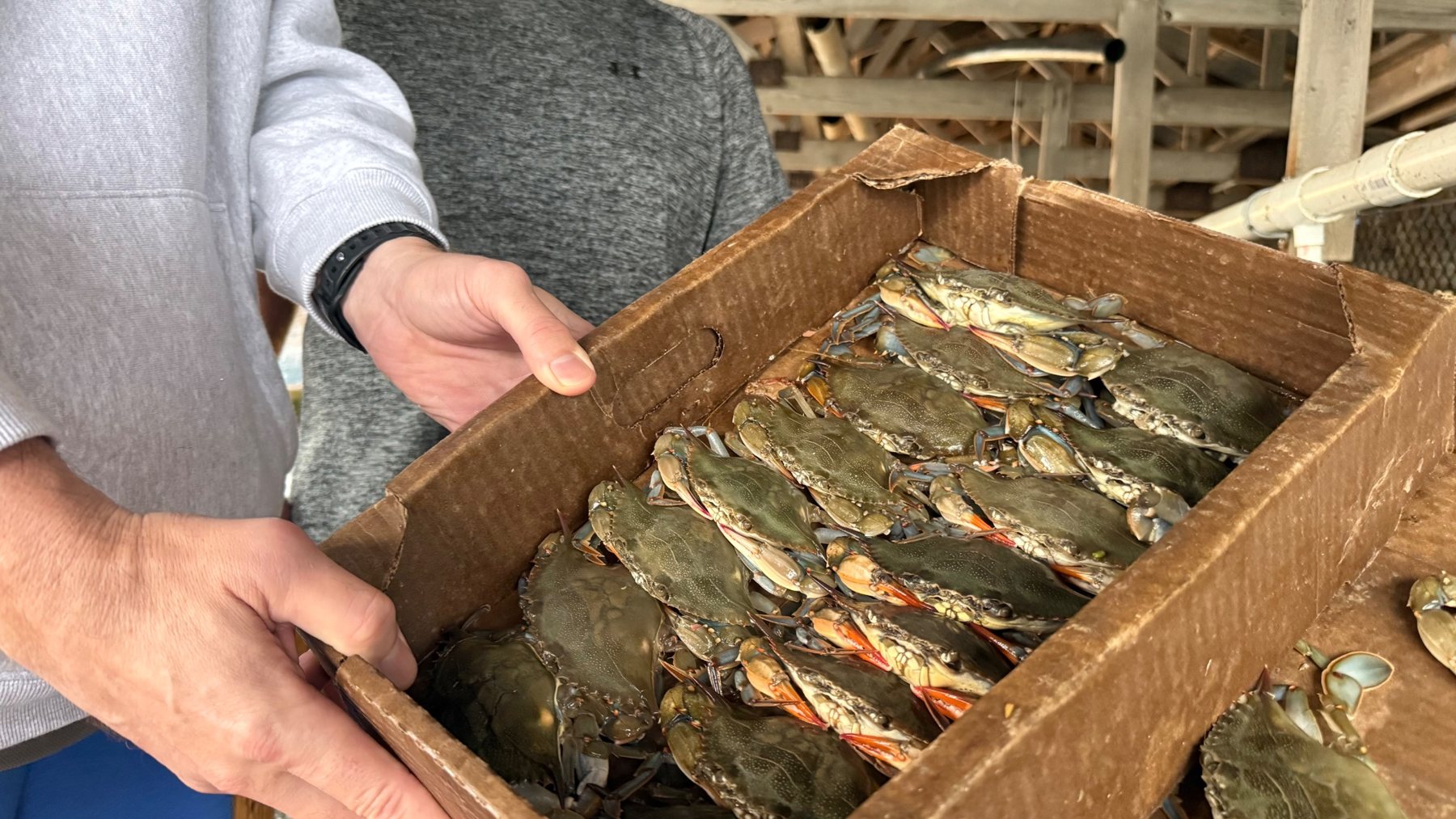
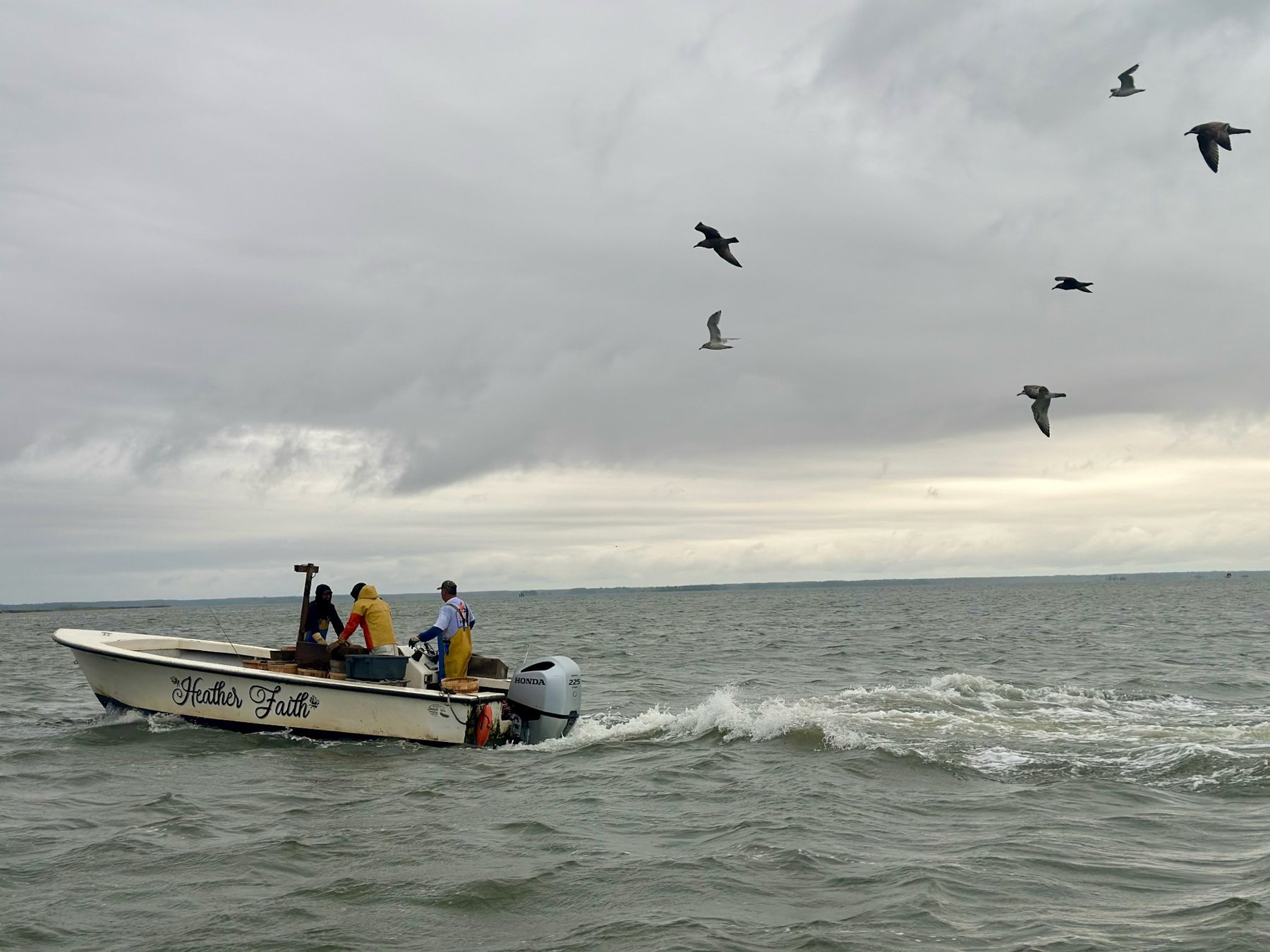
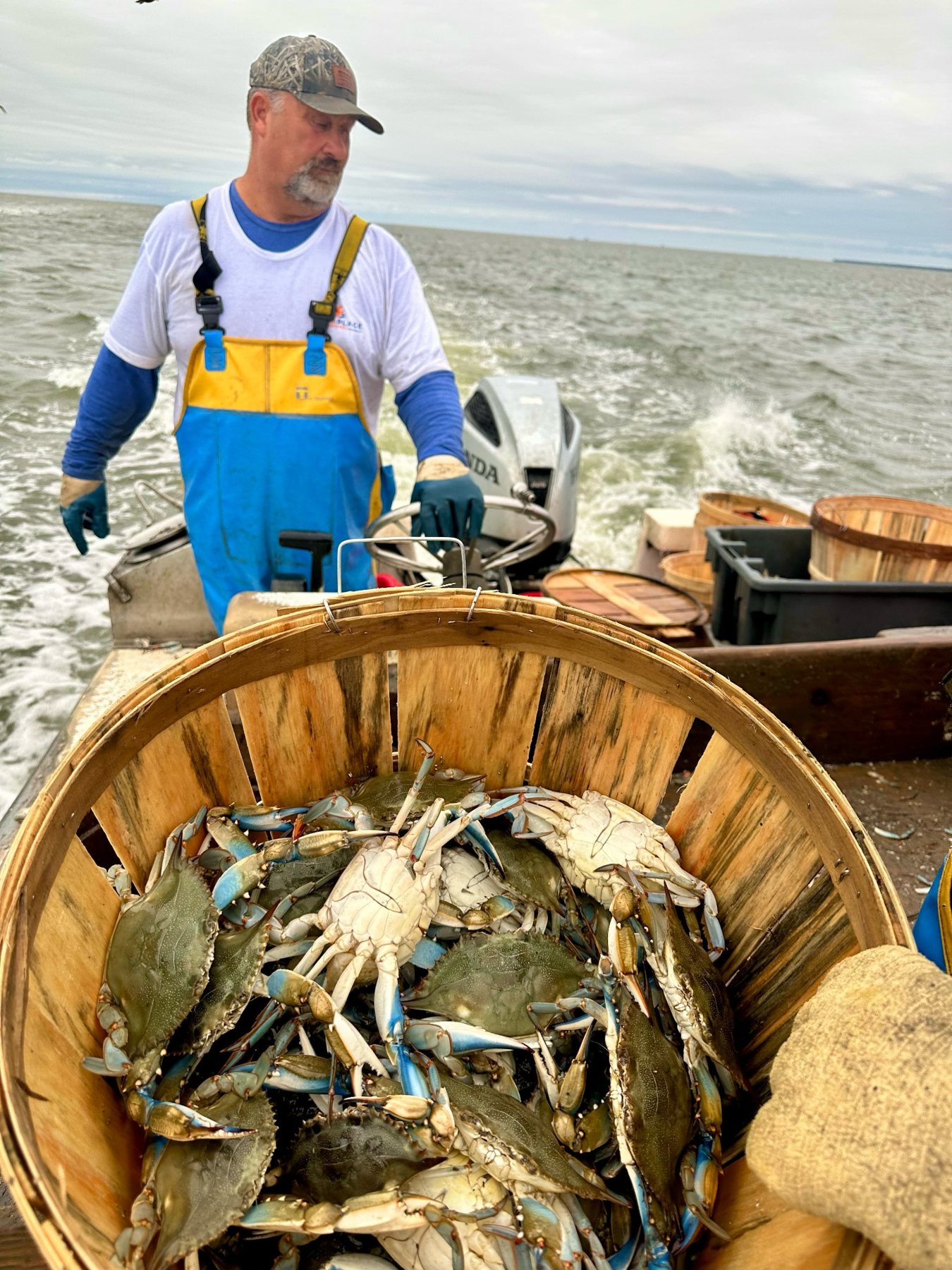
We started in Biddy League basketball around third grade. We played Little League baseball together and youth soccer together, and on Saturday mornings there was a basketball league, and Moose was there too. He was hitting home runs before any of the rest of us could. He could dunk a basketball in the ninth grade, and he was maybe six foot one. He did it with leverage. He would come in on the run, bounce the ball hard off the floor so it rose above him, and swing both arms up to meet it. By the time we were seniors he did not need the bounce. He could dunk it backwards, two hands, over his head. Our yearbook tells one of those games better than I can. The Crabbers trailed Cambridge-South Dorchester the whole night in the Bayside Championship, tied it on a foul shot with fourteen seconds left, and won it in overtime, 75 to 73, "with Phil Labo driving through." No matter the sport, Moose was probably the best talent in the game. In soccer he was first team All-Conference, and as near as I can remember he was All-Conference in basketball and baseball too. The game I think about most is Parkside, at home. They had kids who had trained overseas and kids who were headed to Division 1 colleges to play. None of us were. We were mostly getting in shape for basketball season. It was tied 1-1 late, and Moose broke free and scored the winner with only a few minutes left. I was the goalie, and I ran from my own goal to midfield to get to him. He was incredible that day, and it was probably one of the biggest soccer wins our school had in a decade. I remember their coach being so angry at his players that he had them running sprints on our field as we headed off to the locker room to celebrate. The yearbook has the score, Crisfield 2, Parkside 1, forever etched in our small town history. Our high school mascot was the Crabber. We were the Crisfield Crabbers, and one of us went on to be exactly that. Crisfield basketball has a long history. My father, William Cain, coached the Crabbers from 1969 to 1982 and won four state championships in those thirteen years, and Crisfield's Hall of Fame carries his name. The dream for every team after that was to go "across the bridge," over the Chesapeake Bay Bridge to College Park, where the state semifinals and finals were played. Moose and I never got there. We chased it in front of packed gyms and fans who followed us on the road, and he was one of the stars they came to see. The gym itself told you where you were. A snarling crab was painted at center court, the same one the teams of the seventies and eighties played on. On the wall was the Crabber graveyard, a mural with a tombstone for every school Crisfield had buried, Parkside included. Even then he was working. In the spring he was out on the water with his dad, and when the soft crab run hit in May, the boys from waterman families missed school days to help. They balanced school and work because their families needed them to. Moose did it, he finished school, and he went to work the water full time. He has been at it for more than forty years now. My mother, Charlotte Scott, went out with him years ago and wrote about it for the Crisfield visitor guide. He told her he started with his dad when he was six or seven, and that he was running his own boat by seventeen or eighteen. He also told her the part of the job that people who eat crabs rarely think about. You put all the money you saved the year before into getting ready to crab again, not knowing if you are going to make it back. A soft crab is not a different kind of crab. It is a blue crab that has just shed its shell. A crab's shell does not grow, so to get bigger the crab has to back out of the old one, and for a few hours afterward its new shell is soft enough to eat whole. The work is in the timing. Watermen catch crabs that are close to shedding, called peelers, and hold them in shallow tanks of moving bay water called floats. A crab tells you how close it is with a thin ring of color on its back fin. It goes from a green sign to a white sign, then pink, then red, and a red sign is about to shed. Green signs are not kept, because they take too long and would die in the float first. White signs and up stay until they shed. Crabs are cannibals, which is why the sorting matters. A red sign goes still and cannot even pinch you. A white sign is still eating, and it will kill a crab that is halfway out of its shell. So the crabs are kept in lanes with others at the same stage, and they get reshuffled as they move along. Then there is the shed itself. A crab that has just come out is too soft, so it stays in the water a little while to firm up. The new shell uses the nutrients in the water to harden, and it stops hardening once the crab is lifted out. Leave it in too long and it turns into what watermen call a buck, too stiff to be a soft crab. So watermen and their families take shifts and "fish up" the floats every five to six hours. Each time, they pull the crabs that are just right, move the ones that are still too soft somewhere protected, and re-sort the rest. We stood over a float and watched one come out of its shell. It backs out slowly and leaves the old shell behind in one piece, legs and all, like a glove. This is why soft crabs from here are as good as they are. The shanty is here in Crisfield, the same town we pack and ship from, so a crab can go from the float to a box in very little time. The hard crab morning was the first Saturday of October. It had been nice the day before, and then a storm system came in and it turned cold, windy and wet. I called Moose the night before to make sure we were still on and to ask what time we should meet him. He said, "I'll be here when you get here. We go out before dark." We left the dock on our pontoon boat at 6:45, about fifteen minutes before sunrise, for a ride of thirty five or forty minutes. When we got to him he had already fished a couple of rows of pots. That is a normal day. If there is a catch to be had, he wants to be there when it starts. Today he fishes about a thousand pots between a Maryland license and a Virginia one. His two nephews, Kris and Kam, are the same two who were on the boat when my mother wrote about him. They are grown men now and still work with him every day. I do not know them well, but they are solid young men, and I do not doubt that the discipline of working beside Moose has had a lot to do with it. Watching it up close, what stands out is how hard it is and how easy he makes it look. The boat never really stops. A pot comes up, gets emptied and baited, and goes back over, and they are already on the next one. He has done this all his life and it shows. He told my mother about the day a pot caught in the wheel and the boat started taking on water. He was out by himself with no phone, and in his words he "liked to lost her." I was young and dumb and did not care then. I have got more respect for the water now. When the pots come out for the winter, Moose drives a truck for a local propane company. He is a man of faith and has been for a long time. He is, in the plainest way I can say it, a really good dude. We have bought crabs from Moose over the years, and so have other buyers in town. I am not telling you about him because of that. I am telling you because he is what this place is made of. Crisfield calls itself the Crab Capital of the World, and that name was earned by people who get up before dark, in every kind of weather, and do hard work well. Moose is one of them. In our own way, so are we. When a box of Maryland crabs lands on your porch, somebody like him is where it started. Hard crabs from the waters Moose works, steamed to order and shipped to your door. By Greg Cain. Photos and video on the boat by Rebecca Bent. Photos and video in the soft crab shanty by Jessica Cain. Quotes and two photographs from Charlotte Scott's profile of Moose Labo, written for the Crisfield visitor guide.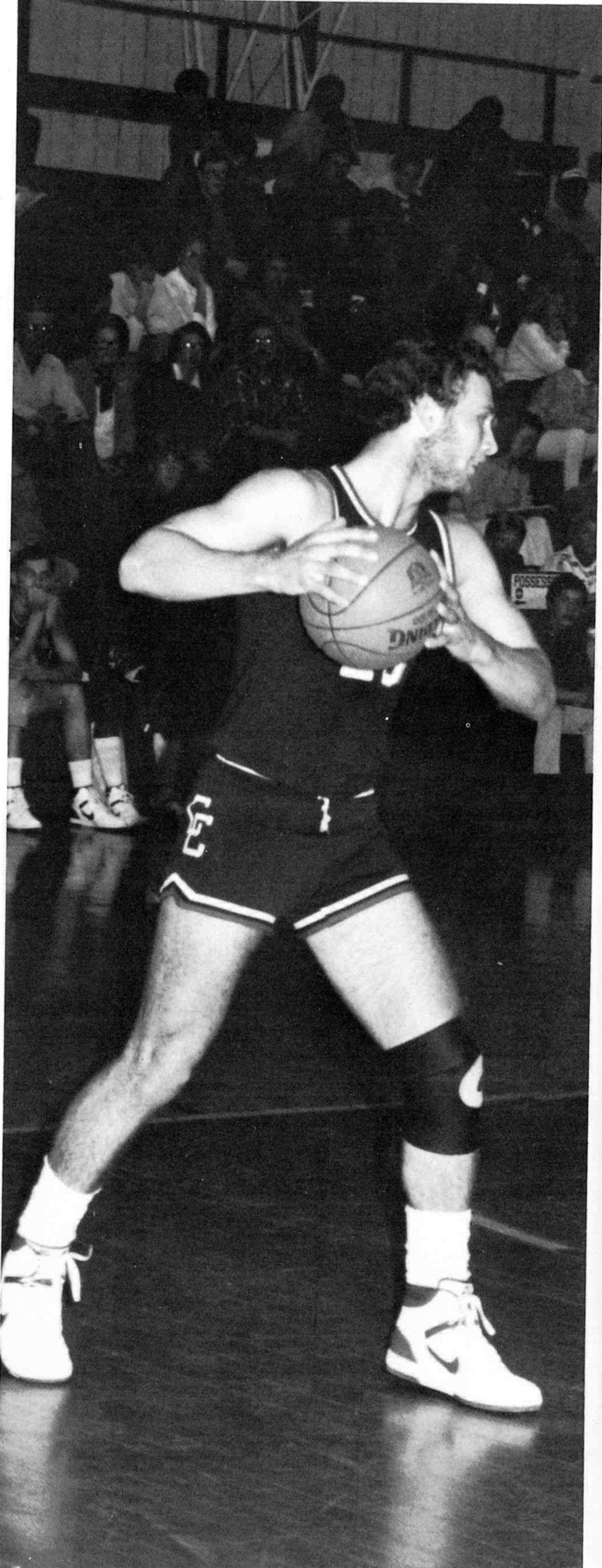
School In The Morning, The Water In The Spring
In The Soft Crab Shanty
Before Dark On The Bay
The People Behind The Crab Capital